
Quantifying the Hidden Value of Precision Medicine Data
Strategies for Data Driven Drug Discovery
Subscribe to stay up to date with the latest Sonrai content.
Author: Dr Matt Alderdice, Head of Data Science at Sonrai

Dr Matt Alderdice
Head of Data Science
Dr Matt Alderdice has worked in Precision Medicine for nearly 10 years, initially in the lab as a Molecular Biologist but also as a Bioinformatician and Data Scientist. At Sonrai he leads the data science team who develop bioinformatics pipelines, real-time analytics and clinical grade deep learning algorithms for biomarker discovery and patient stratification. Prior to Sonrai, Matt attained a PhD in Molecular Pathology & Bioinformatics and worked as a Health Data Research UK Fellow at Queen's University Belfast.
Jump To
Introduction
At Sonrai, I often get asked by customers - ‘What if our data isn’t good enough?’ or ‘Is it possible to quantify the value of our data?’ I have good news; there are things we can control, and processes we can follow that allow us to gain objective and quantifiable metrics for implementing, maintaining and improving the quality of our precision medicine datasets and, in turn, assess their value. How do we determine whether a dataset is valuable? I will highlight ways to navigate these nuances in this article.
The strategies outlined here are aimed at precision medicine companies that are looking to maximize their use of data for data-driven drug discovery. The article includes strategies from Target Discovery through to Phase III Trials, from identifying the Mechanism of Action to Diagnostic Development. We are seeing more organizations providing Data as a Service (or Data Products) as revenue streams, so I will also outline considerations for those wishing to quantify the value of their data from this perspective.
“The complexity and high-dimensionality of multi-omic datasets often exceed the current CDISC frameworks, necessitating further adaptation or development of new standards to fully integrate these data types into precision medicine initiatives.”
Best Practices for Precision Medicine Data Management
Most of us by now have heard of the FAIR data standards which aim to solve the problems of data access and interoperability. Another common set of principles are, ALCOA+, which stands for Attributable, Legible, Contemporaneous, Original, Accurate, and extends to include Complete, Consistent, Enduring, and Available. These principles ensure that data is reliable and trustworthy, meeting regulatory requirements and best practices for data management in clinical research and other regulated industries.
CDISC standards, such as SDTM (Study Data Tabulation Model), ADaM (Analysis Data Model), and SEND (Standard for Exchange of Nonclinical Data), are critical frameworks for structuring and sharing clinical trial data. These standards ensure consistency, traceability, and regulatory compliance, which are essential for precision medicine, where personalized treatments rely on accurate and comprehensive data. However, while these standards are robust for traditional clinical data, they face limitations when dealing with modern omic data, such as genomics, proteomics, and metabolomics. The complexity and high-dimensionality of multi-omic datasets often exceed the current CDISC frameworks, necessitating further adaptation or development of new standards to fully integrate these data types into precision medicine initiatives.
We also recommend using Nutrition labels when curating patient datasets. This is particularly important for any company training AI/ML models as it provides context on the limitations, governance and overall applicability of datasets for solving a given task. There are easy-to-use templates, such as those from the Data Nutrition Project.
Integrated Analysis of Multi-Modal Data


Analysis of current trends show that datasets are increasingly becoming multi-modal, meaning they’re collected with clinical, molecular and imaging data for each patient. This provides more data points, in theory more information and a better chance to glean insights, particularly if it can be successfully integrated. This approach significantly enhances the potential insights that can be derived, as it allows for a more comprehensive understanding of complex biological and clinical phenomena.
At Sonrai, we are seeing more ‘emerging data types’ such as single-cell sequencing or spatial transcriptomics being more routinely collected, especially for clinical trials, the unparalleled granularity undoubtedly provides more valuable insights. Beyond emerging omic modalities, Real World Evidence (RWE), is increasingly being used to complement traditional clinical trial data, to offer insights into how therapies perform in broader, more diverse populations.
By combining different data modalities, researchers can uncover hidden relationships and interactions that may not be apparent when analyzing a single data type in isolation. This integrative approach also enables advanced analyses, such as Multi-Omics Factor Analysis (MOFA), which can identify shared patterns across various data types and uncover novel biomarkers or therapeutic targets. Ultimately, multi-modal analysis provides a richer, more nuanced view of the underlying biology, leading to more precise and effective interventions in areas like precision medicine.
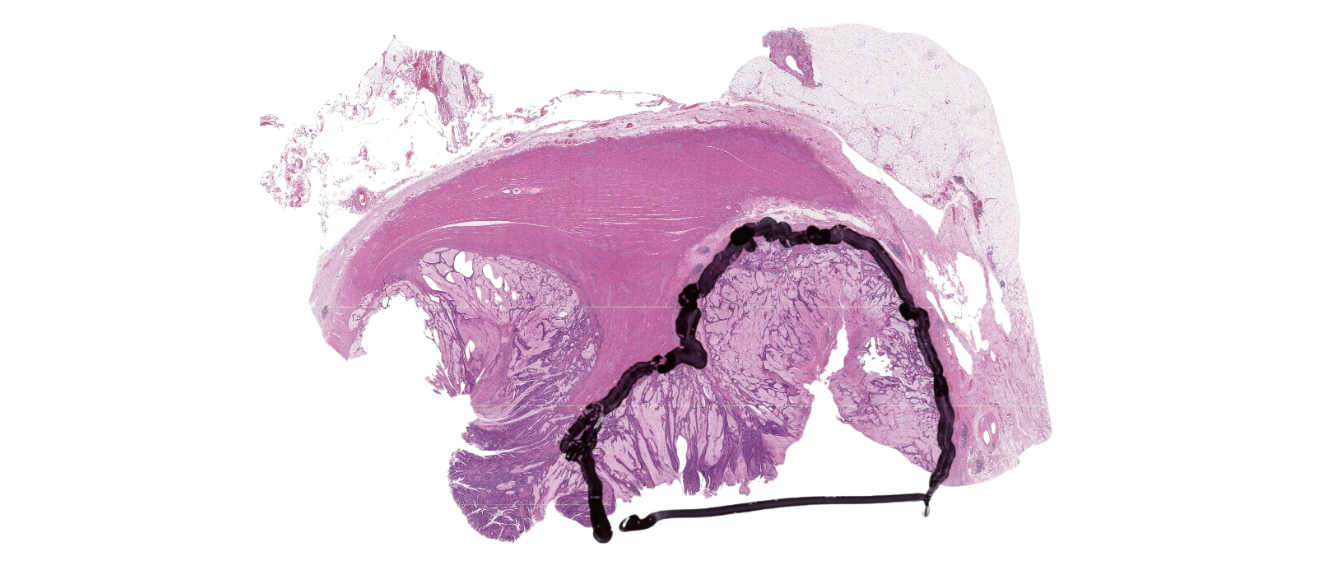


Figure 1. Combining different data modalities allows researchers to uncover new insights.

Why work with Sonrai?
$0 Savings
Data storage costs per year
0 Months
Reduced time to market by accelerating & automating data processing
2 Weeks to 0 Seconds
Improved research throughput and report turnaround times
Discover the full potential of Sonrai for your business. Explore our case studies or contact us to learn how Sonrai can meet your unique needs and demonstrate value.
Repurposing Datasets for Data-Driven Drug Discovery
‘Beauty is in the eye of the beholder’ - the sentiment of this saying holds true for data! There are often many different angles from which a dataset can be analyzed to unlock value. First, one should examine the dataset's completeness, quality, and relevance to the specific biological or clinical questions at hand. This includes ensuring the data is comprehensive, well-annotated, and free from significant biases or errors.
Datasets with rich phenotypic information or multi-omic layers are particularly valuable for patient stratification, as they allow for the identification of distinct patient subgroups based on molecular or clinical characteristics. Similarly, datasets with detailed molecular profiling can be repurposed for target identification by correlating specific gene or protein expressions with disease outcomes.
The ability to repurpose datasets is one of the reasons why public data repositories like TCGA, GEO and EBI are so frequently mined, to generate and validate hypotheses. Datasets that can be easily integrated with external data sources—such as public databases, other omic layers, or clinical trials—can be used to uncover mechanisms of action by linking observed phenotypes with underlying molecular pathways. By systematically evaluating these aspects, one can determine how best to repurpose their dataset for different research objectives, maximizing its value and impact.
“Most biotechs operate within a niche, but ask yourself, could a dataset you have generated serve another purpose if shared with others? Could your dataset initiate a new collaboration or provide another source of revenue?”

If you'd like to talk to Matt or another expert from our team, reach out to us
Contact our friendly team for expert guidance and transformative insights.Assessing Market Demand for Your Data
This is a natural segue from data utility. There are two ways to think about market demand:
1) Is my data unique to my organization and therefore provides a competitive edge?
2) Is my data broadly applicable to other use cases and therefore monetizable?
To assess market demand for your data, start by evaluating its uniqueness and exclusivity. If your data is proprietary, it may offer a significant competitive advantage by enabling insights or capabilities that are difficult for others to replicate. This uniqueness can be particularly valuable in competitive industries where exclusive data can drive innovation, inform strategic decisions, or create barriers to entry for competitors.
Next, consider the broader applicability of your data. Identify potential industries, research areas, or companies that could benefit from accessing your data. This involves understanding the specific needs and challenges within these sectors and determining how your data can address them. For example, if your dataset can be repurposed for multiple applications—such as drug target identification, patient stratification, or understanding mechanisms of action—it may have high monetization potential across various markets, including pharmaceuticals, biotechnology, and personalized medicine.
Finally, explore existing demand signals in the market, for example, new therapeutic types, fast-moving start-ups and changes in the regulatory landscape. Engaging with industry experts, attending relevant conferences, and conducting market research can provide insights into how others perceive the value of similar datasets. This can help you gauge whether there is a strong demand for your data and how best to position it for potential buyers or collaborators. By thoroughly assessing both the exclusivity and broad applicability of your data, you can better understand its market demand and strategically capitalize on its value.
Intellectual Property, Licensing & Ethical Considerations
“Understanding the value of your data goes beyond its utility or market demand; it also encompasses ethical considerations, which are increasingly important in today's data-driven landscape.”
Protecting your data as intellectual property (IP) is essential, especially if you plan to secure patents, copyrights, or trade secrets related to its intended use. The licensing strategy you choose will significantly influence how your data generates revenue, builds partnerships, and maintains control over its use. Effectively navigating IP and licensing in the data domain requires careful consideration of legal frameworks, potential risks, and the balance between maximizing financial returns and safeguarding competitive advantages.
Understanding the value of your data goes beyond its utility or market demand; it also encompasses ethical considerations, which are increasingly important in today's data-driven landscape. The value of your data is inherently tied to the transparency with which it is collected and used, as well as the degree to which patient consent is obtained and respected. Ethical handling of data—ensuring informed consent, maintaining transparency, and safeguarding privacy—not only protects your organization legally but also enhances the perceived value of your data in the marketplace. Data that is ethically sourced and responsibly managed is more likely to be trusted by stakeholders, increasing its desirability and potential for monetization. Thus, the true value of your data is a combination of its practical applications, market demand, and the ethical integrity with which it is handled.

Should You Build or Buy?
We've developed this guide to help you make the right decision for your organization. Access the guide to get a tailored recommendation based on your specific needs and budget. You can also opt in to get personalized feedback from our experts.Summary
Understanding the true value of your precision medicine data isn't just about meeting industry standards or keeping up with the latest trends—it's about strategically leveraging your data to drive innovation, improve patient outcomes, and even create new revenue streams. Whether you're navigating the complexities of data quality, exploring the potential of AI and real-world evidence, or considering the ethical implications of data sharing, the key is to view your data not just as a resource but as a strategic asset. By taking a proactive approach to quantifying and enhancing your data's value, you're not just staying ahead of the curve—you're helping to shape the future of healthcare.
Get in touch
Want to speak to Matt about your challenges? Let's Talk


